
By Johanna Sullivan
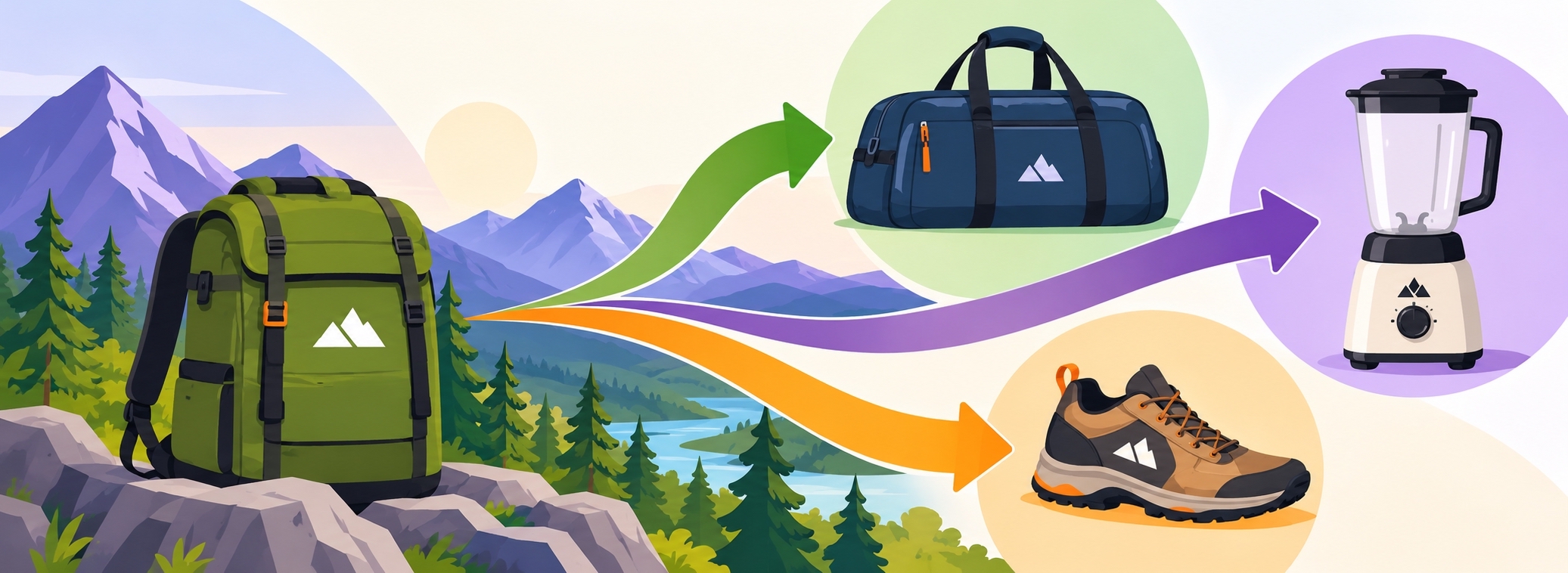
A brand you know for outdoor equipment starts selling travel bags. You can probably see the connection without much explanation. You expect the bags to be durable, with practical details that make traveling a little easier. Whether you buy one depends on the bag itself, but the brand gives you a reason to consider it.
Now imagine that same name on a product where the connection takes several paragraphs to explain. That is where brand extension gets interesting to me. Having spent much of my career in licensing and partnerships, I’m curious about how far a brand can go and what gives it permission to get there. This work offers plenty of room for creativity, along with decisions that deserve more time than they often get.
When companies explore a partnership, the possibilities are easy to picture. They could reach a new audience, gain access to a retailer, or develop a product neither company could have built on its own. It is worth getting excited about those things. But it is also worth pausing long enough to ask, “What is the customer going to find compelling?”
The answer starts with what people already believe about your brand.
Inside a company, brand owners have positioning statements and presentations explaining what the brand stands for. Customers form their opinions through experience. They remember whether the product lasted, whether it made their day easier, and how the company responded when something went wrong. Those experiences influence what they will be willing to try next.
For that outdoor brand, the opportunity might extend well beyond its current products if customers associate it with dependable performance. But the travel bag has to live up to that expectation. Putting the logo on an ordinary bag and charging more gives people little reason to choose it again.
I would want to understand that distinction before spending much time on potential partners. What, specifically, would customers expect us to bring to this category? Brand teams have an important role here. Their understanding of the audience should help shape the opportunity while the concept is still being developed. If research points to customers having a need the brand could credibly address, that is the useful evidence to bring into a partnership conversation.
There is a simple exercise I like for evaluating the idea: describe what the customer gains without mentioning either brand’s name.
It can be harder than it sounds. “We’ll introduce each other to our audiences” explains what the companies hope to gain. The customer still needs a reason to want the product and make room for it in their life. Working through that explanation can uncover a better idea or help everyone recognize that the current one needs work.
Once the customer benefit is clear, I would spend just as much time understanding the prospective partner. In a partnership licensing arrangement, another company may develop and sell a product with your brand’s name on it. It is highly unlikely that the customer will try to find which company manufactured it or managed fulfillment. If the product disappoints, the name on the package is the one they remember.
That makes the less glamorous conversations really valuable. Ask how quality is managed and what happens when a shipment is late. Understand who handles customer complaints and whether the people supporting the program have the resources to do it well. These details should influence the decision to work together.
It is worth being equally direct about the economics. A product can sell well and still demand more support than either team anticipated. Before committing, both companies need a realistic understanding of the investment and what would make the relationship worthwhile.
I would also ask why the partnership might not move forward. That can feel premature when everyone is enthusiastic, but it is easier to have the conversation before weeks of meetings and creative development have made the project feel too big to pause or stop. Agreeing on the conditions for moving forward gives people something concrete to come back to when a concern comes up.
I enjoy the possibility in brand partnerships. An unexpected idea can turn into something customers welcome, and being too cautious can mean missing a good opportunity. Before saying yes, though, I would want the team to explain why a customer would buy it and why this partner can deliver it well. If those answers are still vague, I’d spend the necessary amount of time before asking anyone to commit to moving forward and signing an agreement.

About the author
Johanna Sullivan is a global executive with experience growing businesses across more than 20 product categories and international markets. Her career includes leadership roles with Newell Brands, Serta Simmons Bedding, Kimberly-Clark, and Coca-Cola.
She founded BEAM Strat Group and previously led global brand partnerships and licensing at Newell Brands. Now Executive Vice President of MHS, Sullivan oversees licensing, consulting, and growth strategy, with a focus on expanding opportunities for artists and clients.